
Why Children Love to Drive
— Yihe Xue, MSW (NYS)
Clinical Social Worker & Mom in the Making
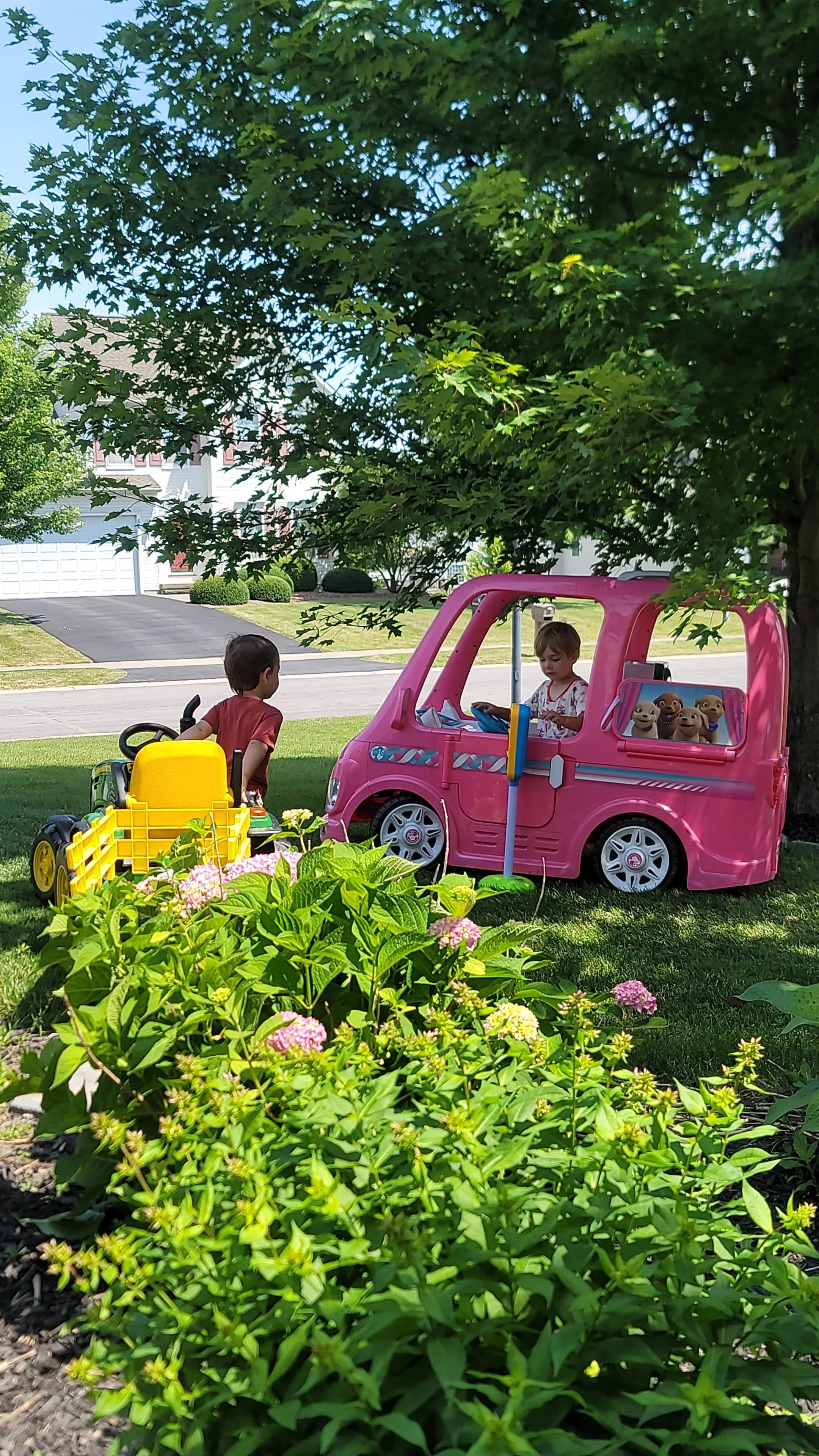
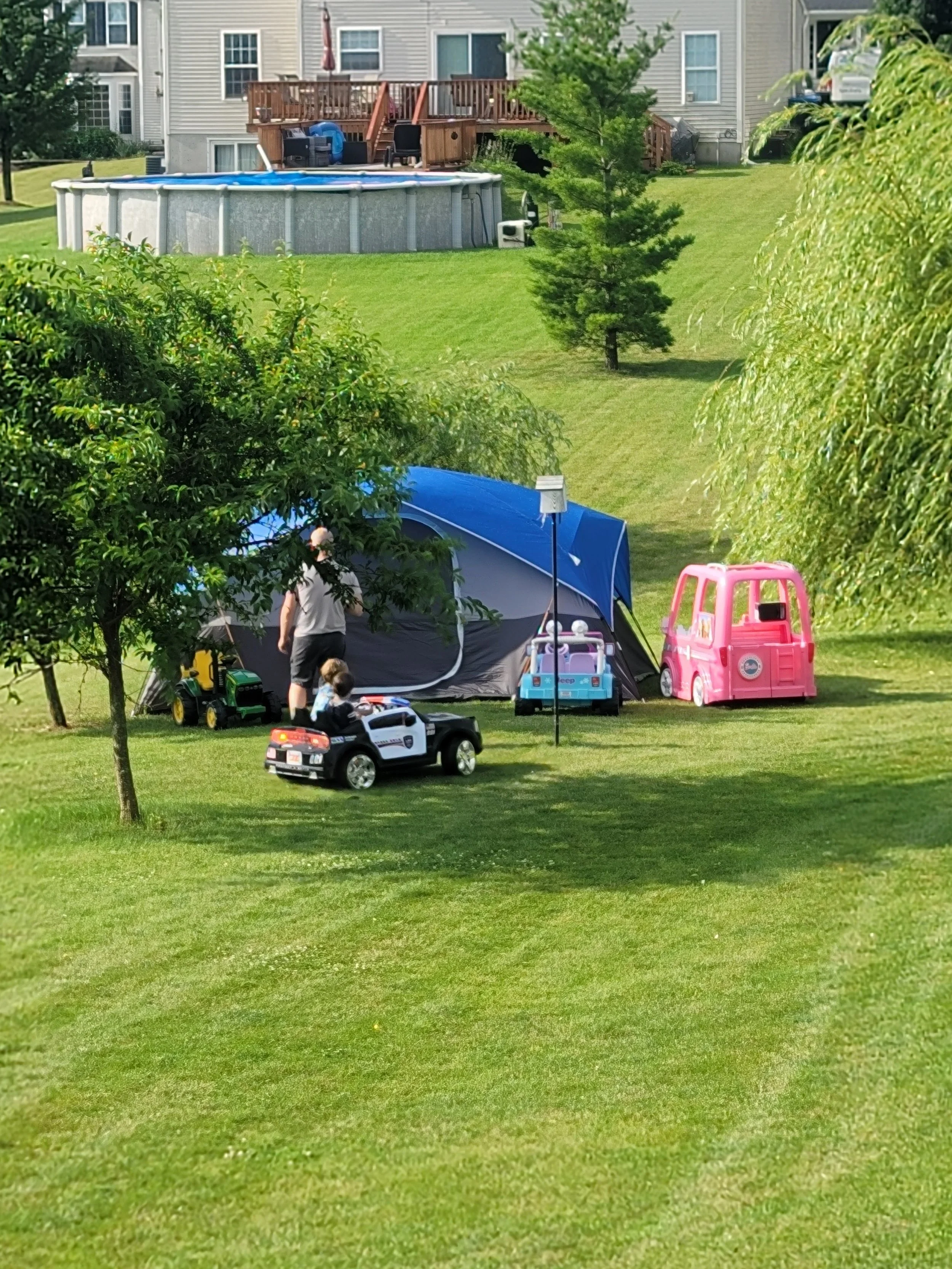
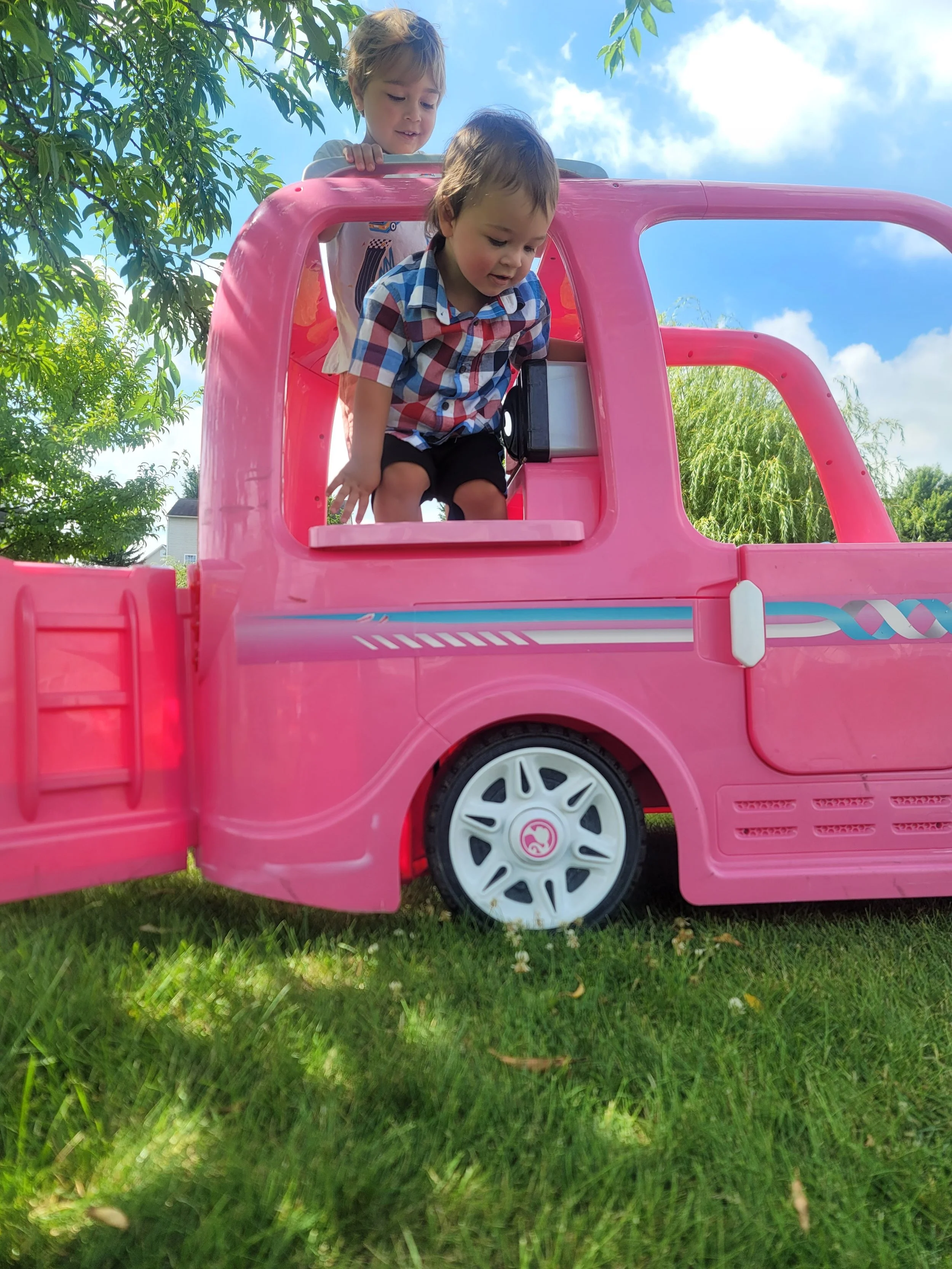
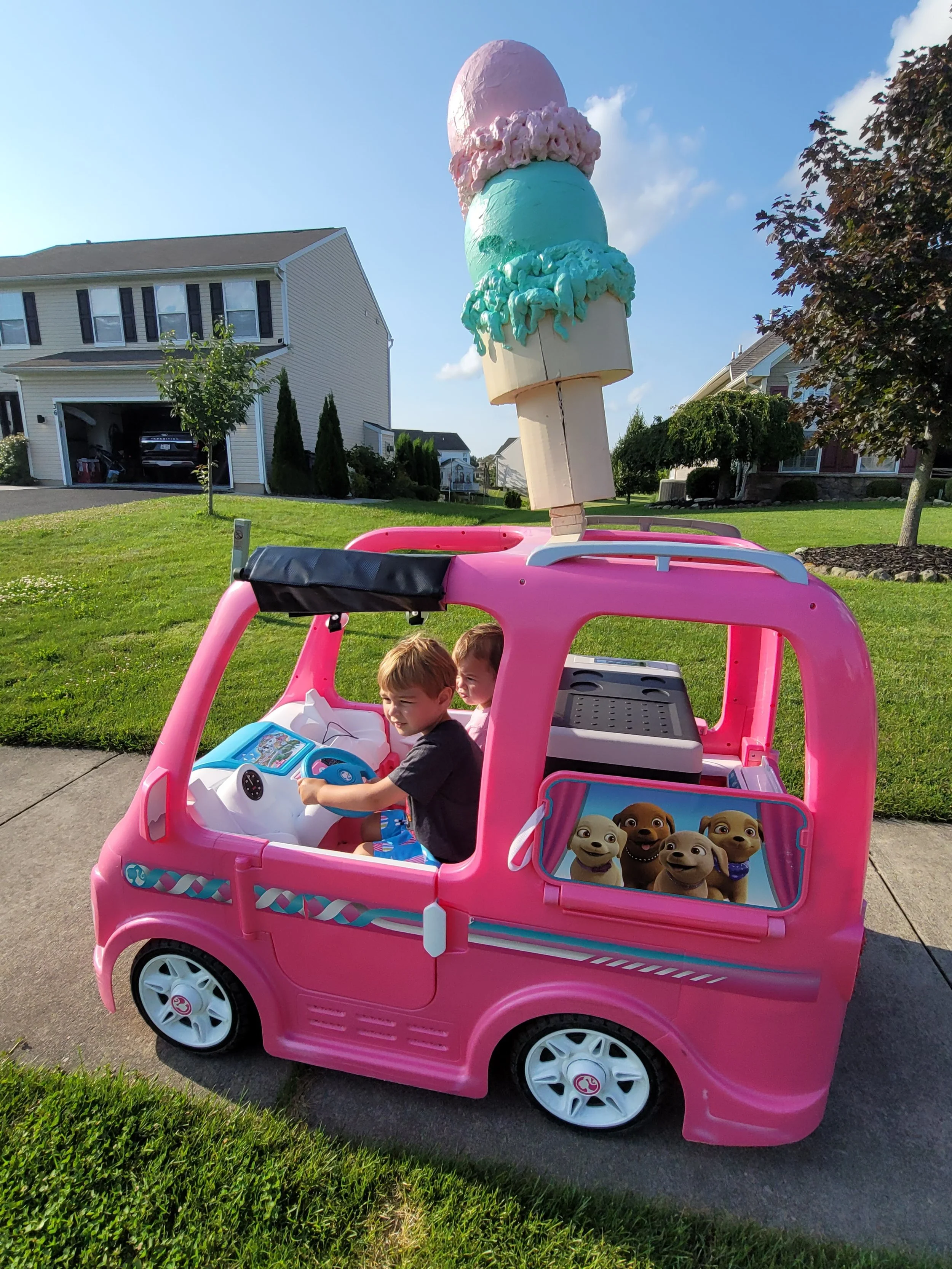
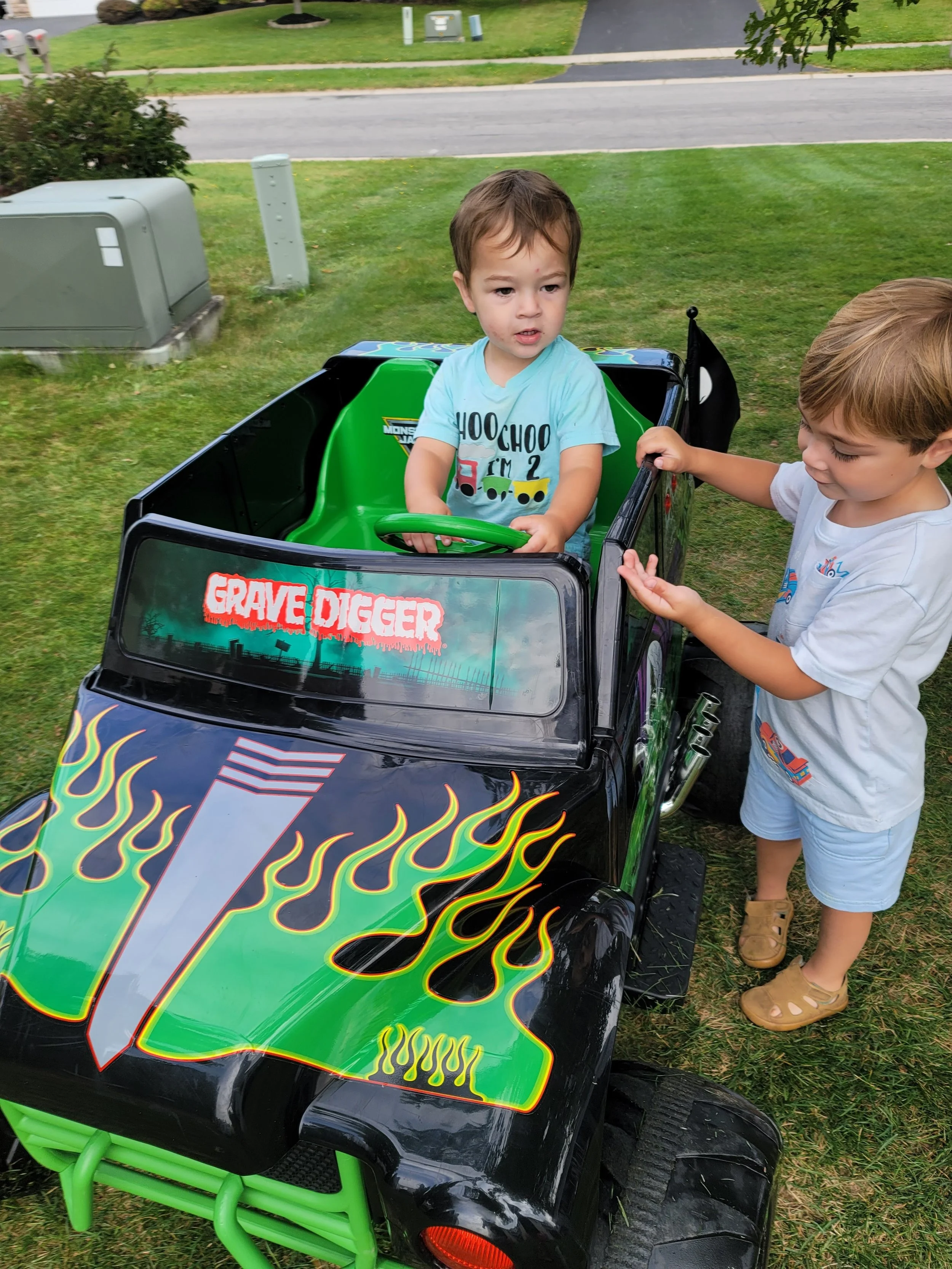
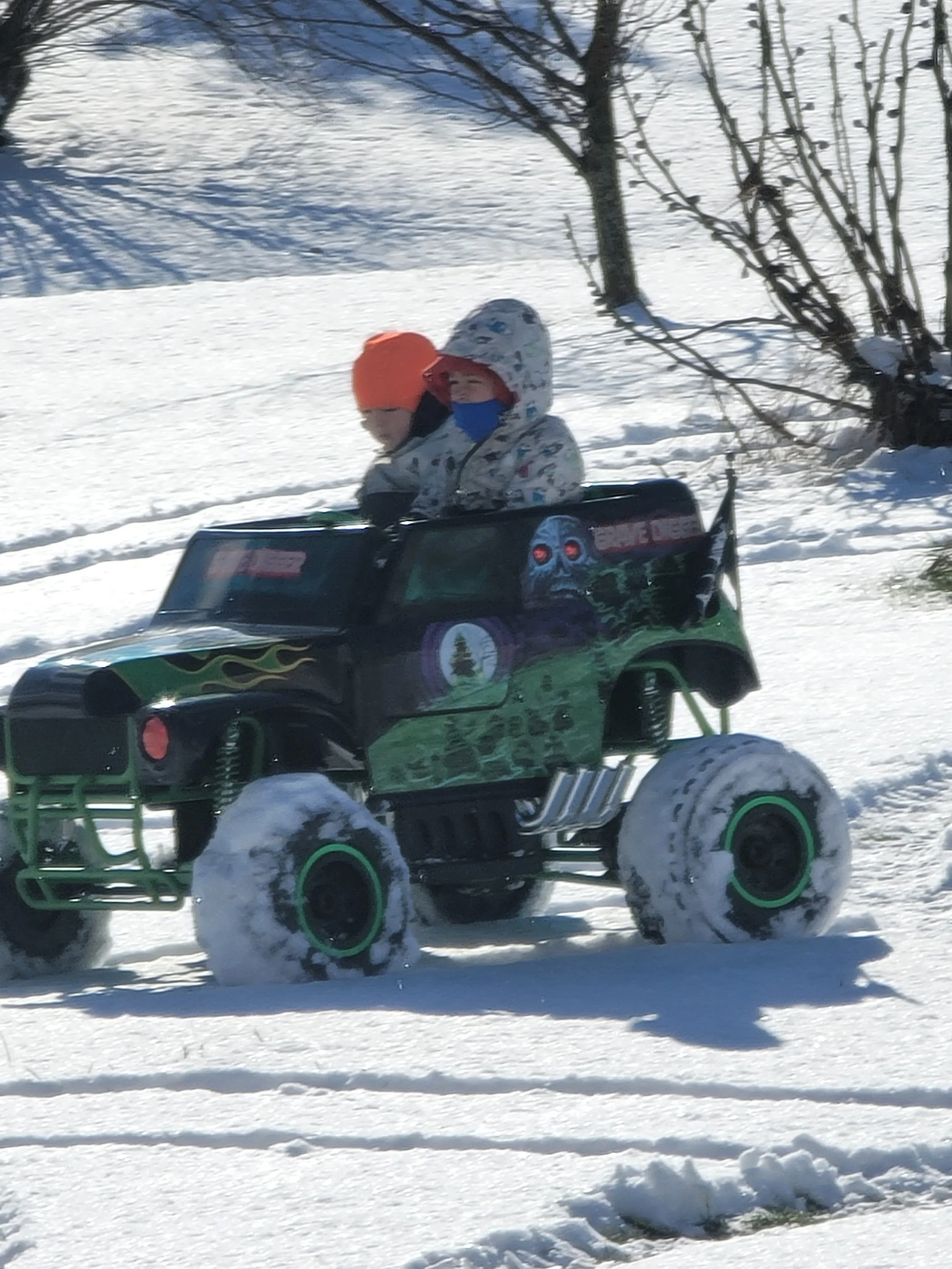
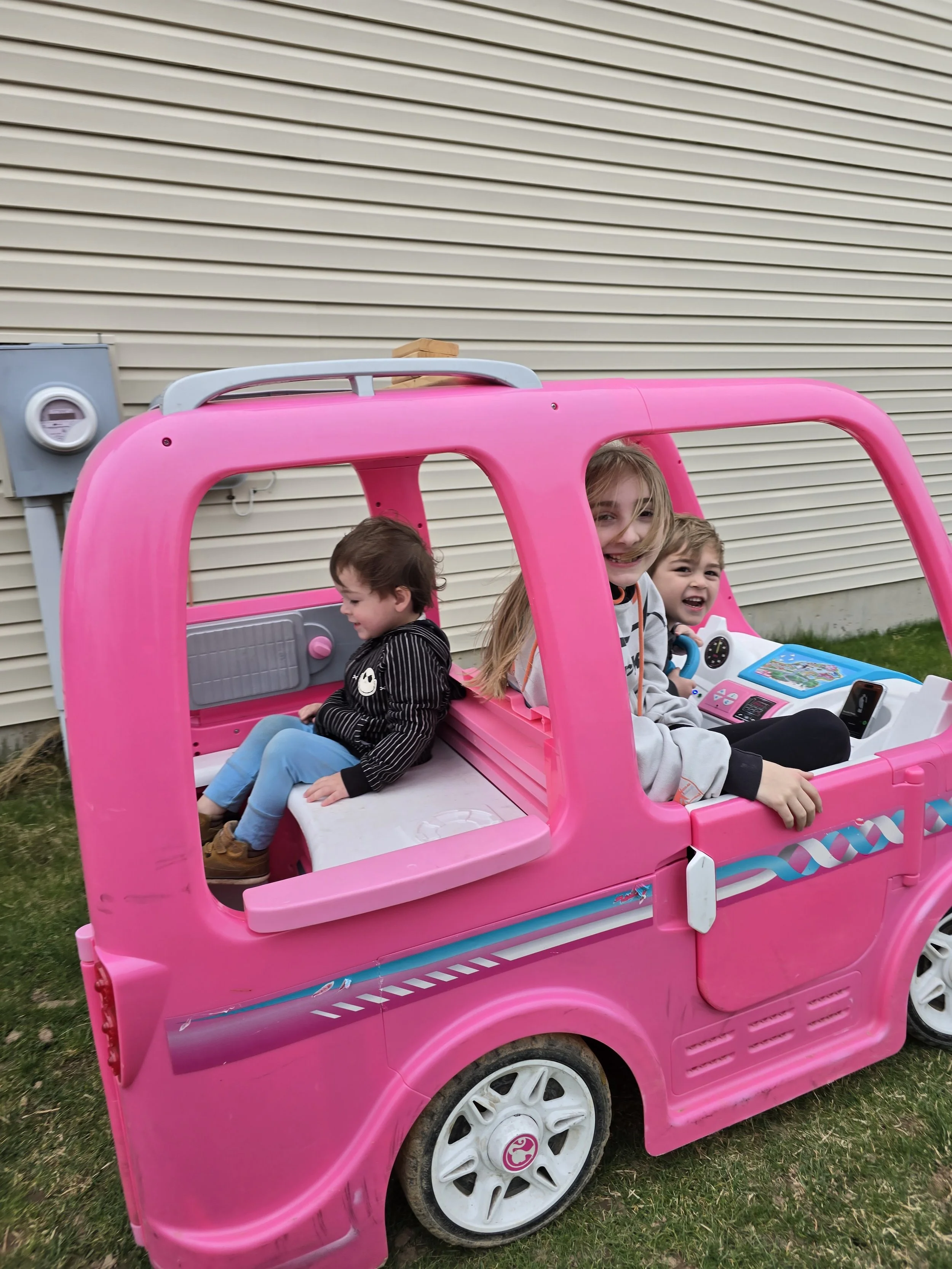
As a clinical social worker who works with young children and families, I spend my days watching how confidence is born in small, quiet moments. It doesn’t appear all at once. It grows when a child realizes, I can do something on my own.It deepens when they feel capable in their body, steady in their choices, and safe enough to explore the world.
If you’ve ever watched a young child behind the wheel of a ride-on car, you’ve seen this unfolding in real time. Their eyes light up. Their hands grip the steering wheel. Their whole body leans forward with focus and excitement. Children love “driving” because it gives them something very rare in early childhood: real control over movement. They decide when to go, where to turn, how fast to move. That feeling—I can make something happen—is powerful. It quietly builds confidence, teaching a child that they are capable, that their choices matter, and that they can move through the world with purpose.
For young children, much of life is directed by adults. Sit here. Wait. Hold my hand. Don’t touch. These instructions are necessary, but they can leave children feeling small in a big world. Driving a ride-on car gently flips that experience. Suddenly, the child is the one in charge. They are not being carried or guided—they are guiding themselves. The world responds to them.
That sense of agency is deeply nourishing. It tells a child, I am not just reacting to the world. I can shape it. Over time, these moments accumulate into a sturdy inner belief: I am able.
Confidence, however, is not only about feeling capable—it is also about learning that big feelings can be handled. This is where resilience begins.
Movement in open space has a special emotional quality. Whether it’s running, biking, or driving, being in motion lets children feel big energy in their bodies. Speed brings excitement. Wind brushes their face. The world rushes past. Their heart beats faster. Their breath changes. And then—when they slow down or stop—they feel the return to calm.
These natural cycles gently teach the nervous system that big feelings can rise and fall. Excitement doesn’t have to be overwhelming. Joy doesn’t have to tip into chaos. The body learns, I can feel thrilled and still be okay. Over time, this builds resilience.
A child who learns, “I can feel big energy and come back to calm,” is learning something far more important than how to steer. They are learning how to handle life’s intensity. They are discovering that their body can hold excitement and that they can return to center after a rush of emotion.
This is the same skill children will need when they face a new classroom, a difficult friendship, a challenging task, or an unfamiliar place. The nervous system remembers what it learned through play: I can feel a lot and still be safe.
When children build these inner beliefs through play, they carry them forward—into classrooms, friendships, challenges, and dreams. These are strengths they will benefit from for the rest of their lives.
And sometimes, a well-made ride-on car system is a very gentle, joyful place to begin.